
Felix Mendelssohn (1809-1847) wrote the incidental music to Ein Sommernachtstraum - A Midsummer Night's Dream in 1842.
There are many famous movements in this piece such as the Wedding March, but the Scherzo is one that as flutists we know best since it's an audition excerpt.
Even though Felix Mendelssohn was a romantic composer the Scherzo sounds classical, and we need to approach the general character and articulation of this movement as such.
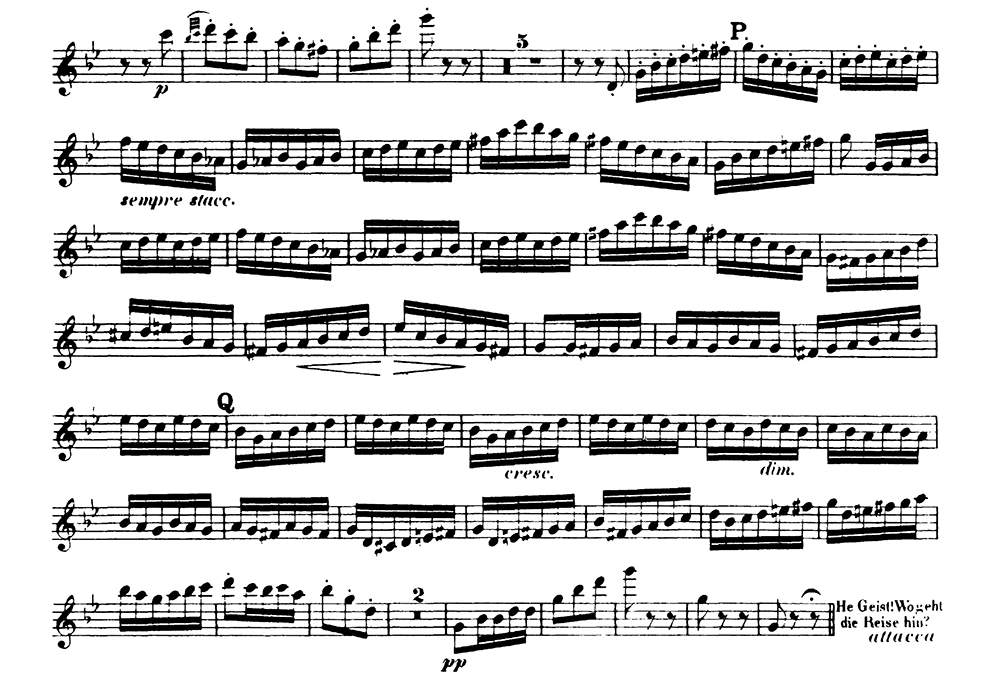
Technical Tips
Perfect rhythm and subdivision: The rhythmic drive of the sixteenth notes needs to be heard throughout this excerpt. To ensure that the sixteenth notes sound even, practice with a metronome set to eighth notes.
Articulation: Make sure to play with a very light articulation and to not force the sound. This solo should not sound labored. Think of the plot of the play, and refer to the articulation in the first 4 bars of this movement to set the character for the solo.
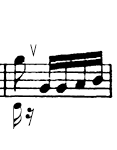
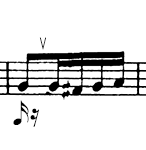
Breathing in time: For auditions, we should practice taking only 3 breaths: 9 measures after P, 20 measures after P, and 7 measures before the end of the solo, on the 2 measure rest. The first 2 breaths are very quick and should not interfere with the rhythm. To achieve that, instead of playing an eighth note, play a sixteenth note followed by a sixteenth rest, fitting in the quick breaths.
Musical Tips
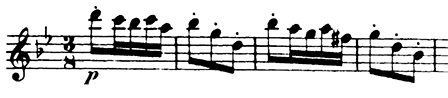
Musical gesture: Always refer to the beginning of the Scherzo, and think of the musical direction of the first two measures (and of measures 3 and 4). The first measure of each two-measure-group leads to the second measure. The same feeling should be achieved in the solo. Think of a classical character rather than a romantic one. Practice making a crescendo from the first measure to the second, and then a diminuendo. Eventually, make these hairpins very light, as a musical gesture.
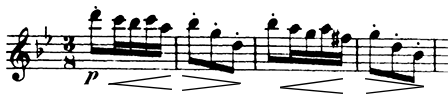
Pickup note: The low D pickup note to the beginning of the solo is the least important note. Play it more quietly and lightly than the following note, G.
Make music: Remember that this is not a technical exercise, but rather a beautiful piece of music, and play it as such.